Students and City Councilors Stand With Harvard DoubleTree Protestors

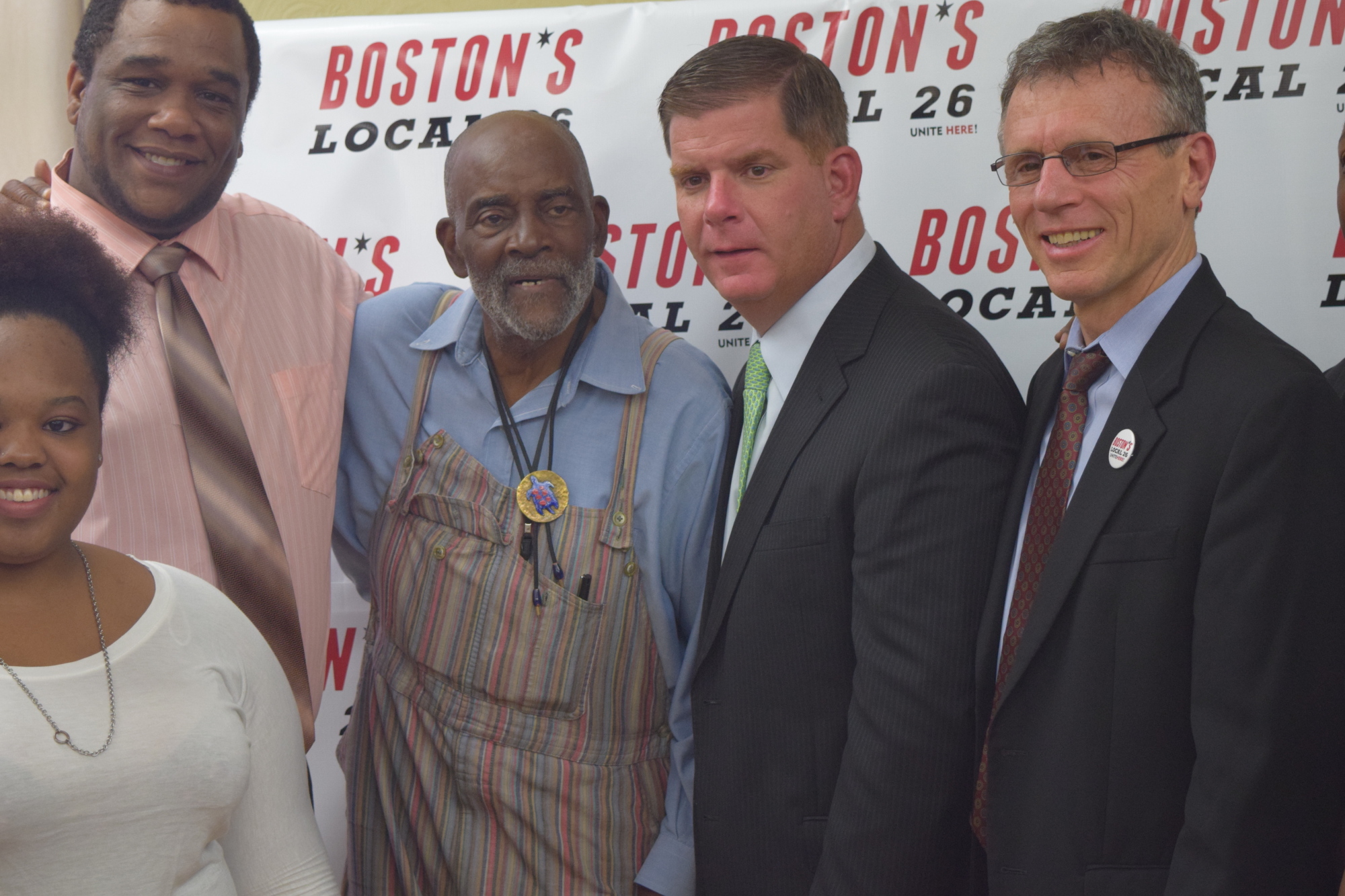
Boston.com: Employees at the Harvard-owned DoubleTree Suites have picketed, protested, and demanded fair process for the past year and a half. This means that they would like to consider unionizing without losing their jobs. Hilton Hotels manages the property, and has refused to listen to workers’ petitions, employees say. DoubleTree employees have called on Harvard to intercede. The university essentially replied ‘thanks but no thanks’ in a letter last May, despite the fact that all hotel workers who have chosen to join a union in Boston or Cambridge since 1999 have used a similar process.

RIP Mayor Menino

Mayor Menino loved and understood Boston Herald Mediaworking class people.  He improved the lot for generations of Boston hotel and food service workers. He will always be remembered as a hero by the members of Local 26. We will miss him. Our thoughts and prayers are with Angela and the entire Menino family.

–Brian Lang, President UNITE HERE Local 26 and the Local 26 family

Cambridge Le Meridien Workers Celebrate First Union Contract

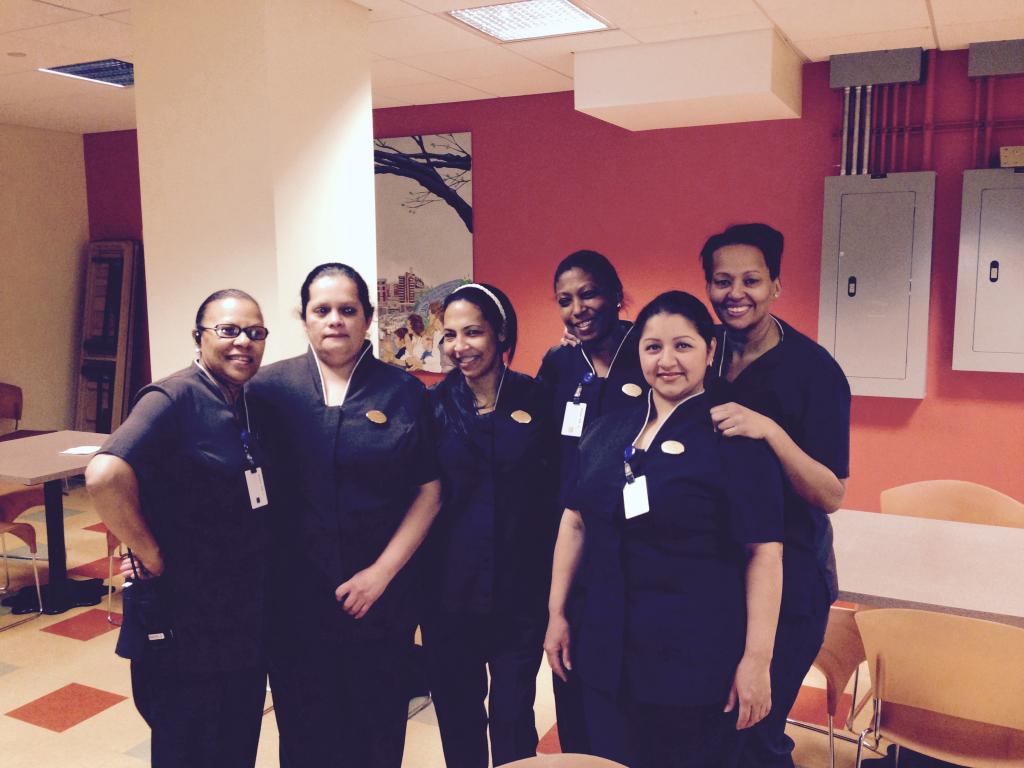
Le Merdien Cambridge WorkersThank you to the many Cambridge and Boston community members who marched, testified, boycotted and prayed with the workers of the Le Meridien Hotel as they worked to win a fair process to decide on unionization.

HEI, the owners of the Le Meridien Cambridge, agreed to a fair process in December 2013. In March of this year an independent arbitrator certified that a majority of workers at the hotel wanted the union. The Hotel recognized the workers’ union and began bargaining with them for a contract.

On September 12 the Le Meridien workers unanimously ratified their first union contract. The contract includes gains to wages, reductions in employee health care costs and it will give workers more control over their schedules and a grievance process for addressing concerns which arise.

“We are committed to working with city leaders of Cambridge to ensure that all workers within its limits can enjoy a fair workplace,” said Local 26 President Brian Lang. “We are grateful for the help the workers received from the Cambridge community.”

The contract will bring wages and benefits of Le Meridien workers to the full Local 26 standard that is enjoyed by workers at 28 other hotels in Boston and Cambridge.

Workers cheered for the new contract. The wage increases are substantial and the cost of health insurance will be dramatically reduced. Workers currently pay 40% of their plan’s cost and will soon have family insurance for as little as $12 a week.

“Our health insurance has been so expensive, it has been hard to pay my other bills for a long time,” said housekeeper of 16 years Rosa de la Rosa. “With the raises and decrease in cost in our insurance, I will have more resources for my daughter. I know she’ll have a better future.”

Thank you again for your support in helping the Le Meridien Cambridge workers gain respect and dignity at their workplace.lemerde2

Emerson College dining workers join Local 26

Emerson-delegation-1One-hundred food service workers for Sodexo at Emerson College have joined UNITE HERE Local 26 following an overwhelming vote in favor of unionization. Workers first presented a petition to management in April of this year, with strong backing from the campus community in which they asked for a fair process to determine union representation. Twenty-five student groups organized in support the food service workers’ organizing while the Emerson College Faculty Assembly voted unanimously to support.

The new Local 26 members look forward to collectively bargaining their first union contract. Organizing committee member and baker Donna Papastavrou said, “The work we do to feed the campus helps make Emerson strong. We are proud to be part of this community and to have stood together to win respect and a voice on the job.”

The Emerson workers join food service workers at ten other Boston area colleges and universities in Local 26 including Harvard, MIT, and Northeastern University.

‘Hyatt 100’ get some justice after 5 years

THE ABRUPT termination of 98 housekeepers at three Boston-area Hyatt hotels five years ago was a crude attempt to cut costs, but the decision also ended up sullying the hotels’ image. Hyatt Hotels Corp. finally moved to clean up that mess last week by agreeing to pay $1 million to the fired housekeepers and offering them hiring preference at future Hyatt-operated hotels. This peace offering, no doubt, can be seen in light of the company’s desire to operate a 1,000-room hotel at the Boston Convention & Exhibition Center in South Boston. Yet the agreement also contains a moral for bean counters: Gaining a reputation for mistreating workers carries its own cost.

Like other business sectors coping with the economic tailspin of 2009, the hospitality industry sought to reduce expenses by outsourcing jobs normally performed by staff employees. But Hyatt’s decision to bring in replacement housekeepers at roughly half the hourly wage appalled many outside observers — especially after the fired housekeepers reported that they had been duped by the hotel into training their replacements. (The company denied deceiving employees.)

It wouldn’t take long before local clergy, led by Rabbi Barbara Penzner of Temple Hillel B’nai Torah in West Roxbury, mobilized congregants and parishioners to support a boycott of the Hyatt Regency Boston, Hyatt Boston Harbor, and Hyatt Regency Cambridge. The fired housekeepers didn’t belong to a union. But they knew enough to seek help from Unite Here Local 26, which represents the area’s unionized hospitality workers. The savvy union kept the issue of the “Hyatt 100” in front of members of the public who felt increasingly worried about their own job security. Governor Patrick even threatened that state workers on official business would shun the Hyatt properties.

Local 26 estimates that the subsequent boycott cost the hotel chain about $6 million. But the greatest effect of the five-year-long campaign may have been in deterring other hotel companies from emulating Hyatt. If not for the courage of the Hyatt housekeepers to stand up for themselves, Boston might have seen a “wave” of similar firings, according to Local 26 president Brian Lang. Instead, executives at other nonunion hotels couldn’t help but take notice that they, too, would pay a steep price for treating employees unfairly.

Strictly speaking, the new agreement was voluntary; Hyatt was under no legal obligation to pay out anything, never mind $1 million to be split among the fired workers. Yet beyond any plans they may have for a convention center hotel, Hyatt executives also know that the agreement is sure to improve relationships with the labor-friendly administration of Boston Mayor Martin Walsh. There are lessons here for all sides: The episode is a cautionary tale for employers who treat employees as an easily replaceable commodity. And it’s a reminder to workers and consumers that they can affect a company’s conduct by speaking up.